About us
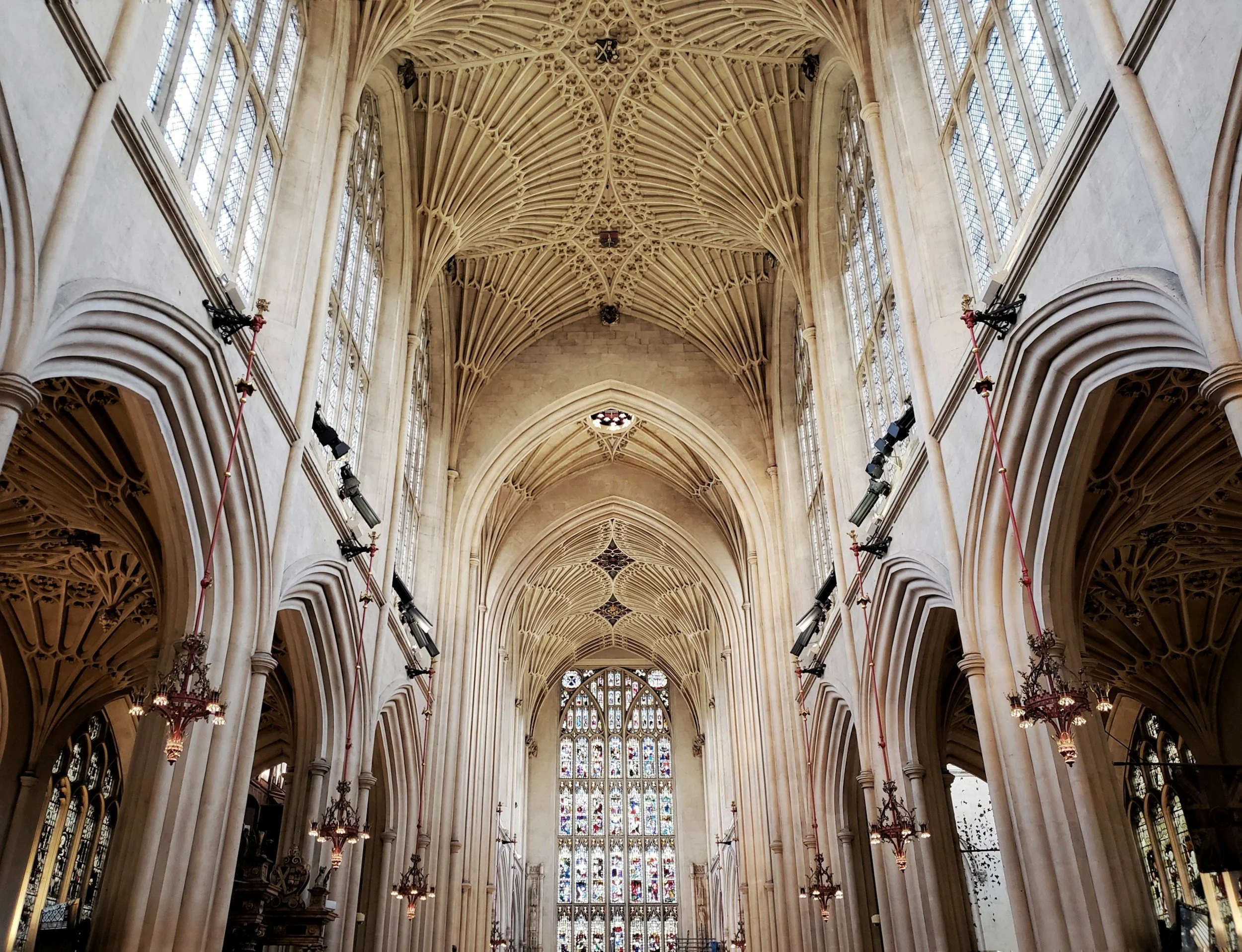
‘Clach’ is Scots Gaelic for ‘stone’, and this is where David’s passion is - the care and repair of historic masonry structures, of all shapes and forms. His work varies between the appraisal and repair of distressed tower spires through to foundation strengthening, and everything in between.
He is an advocate of reinstating original surface coatings to masonry buildings in a bid to combat long term dampness and accelerated decay of the masonry fabric, and considers the building in its whole rather than focussing on matters of structural mechanics only. He is a CARE Accredited Conservation Engineer, has a PhD in the technical conservation of heritage masonry and is a national expert in his field, recognised by becoming a Fellow of the Institution of Civil Engineers in 2025.
Laura is a passionate Historian, with a First Class Hons degree in the subject. Her particular historical research interest was Early Modern social history, focusing on how ordinary people interacted with the world around them. She is currently working towards an MSc in Building Conservation and Adaptation, with a research focus on traditional water-shedding details and their effect on fabric pathology.
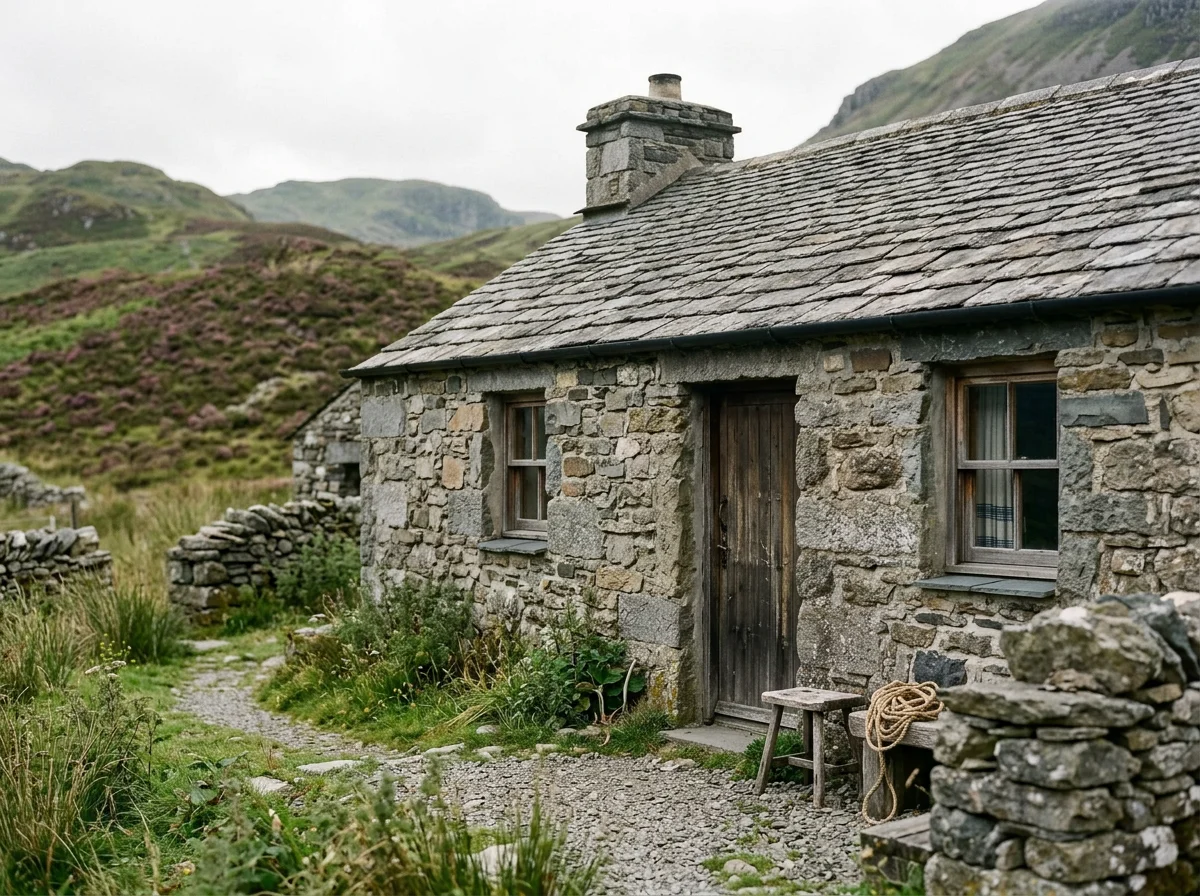
Since joining Clach in 2023, she has been able to apply her historical research skill and knowledge of British history to the built environment, and explore the ways in which buildings were intended to be used by their inhabitants over the generations. She is particularly interested in the rich stories the buildings can tell about our shared histories, and has a soft spot for the Lakeland vernacular typology.
Our approach
Historic buildings are physical history, and we are but guardians.
Clach’s position is that when we intervene, we become part of that physical history for the future; this sets a high bar to get the intervention right first time round.
We believe that the only way to get the intervention right is to first understand the structure – how it’s made, how it works, and pin-point what’s wrong with it.
We find that much of our work is spent unpicking somebody else’s prior incompatible intervention – this is back-to-front conservation, and our aim is to leave the asset in better shape than we found it, conserving it for the next generation to enjoy.
-
Stage 1 Visual Structural Condition Appraisal
• A detailed appraisal to understand the form and composition of the structure and determine its structural condition
• Bluntly put, this is a case of ‘mapping out the dots’ (each ‘dot’ being a change in shape, crack, symptom of distress) and then joining them up with a best-fit diagnosis of structural behaviour
Stage 2 Detailed Investigation
• Designing an investigation programme to determine hidden construction, quantitatively assess extent of decay, foundation conditions, mortar and stone analysis, as and when necessary
Stage 3 Structural Assessment
• Calculation-based assessment of suspect areas of structure, to inform the design of repair or alterations when necessary
Stage 4 Supervision of Works Execution
• Clach are on hand to oversee the care and repair implementation stage